

uthorities in the European Union said that the video-sharing platform TikTok is in breach of online content regulations, warning the company to change “addictive” features in order to protect minors from compulsive use.
The European Commission shared the preliminary conclusions of a probe into TikTok on Friday, stating that features such as infinite scroll, autoplay, push notifications, and a personalised recommendation algorithm encouraged addiction.
“TikTok has to take actions and they have to change the design of their service in Europe to protect our minors,” EU tech chief Henna Virkkunen told reporters.
European Commission spokesperson Thomas Regnier said the “measures that TikTok has in place are simply not enough”.
“These features lead to the compulsive use of the app, especially for our kids, and this poses major risks to their mental health and wellbeing,” Regnier said, stating that the app is in violation of the Digital Services Act.
Read the full article on Al Jazeera.

Peter Attia interviews Anna Lembke who is the Chief of the Stanford Addiction Medicine Dual Diagnosis Clinic and author of Dopamine Nation: Finding Balance in the Age of Indulgence. In this episode, Anna dives deep into the biochemistry and neurobiology of addiction, exploring the critical role of dopamine and the prefrontal cortex. She shares her framework for diagnosing and treating addiction, providing real-world examples involving alcohol, gambling, cannabis, social media, and more.
Read More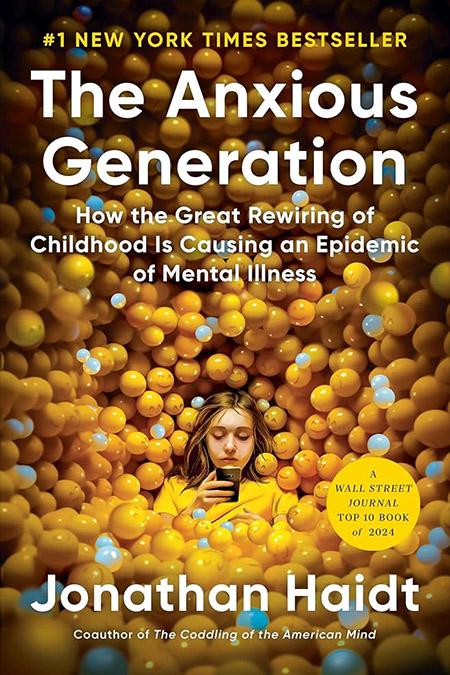
In The Anxious Generation, social psychologist Jonathan Haidt presents more than a dozen mechanisms by which this “great rewiring of childhood” has interfered with children’s social and neurological development, covering everything from sleep deprivation to attention fragmentation, addiction, loneliness, social contagion, social comparison and perfectionism.
Read More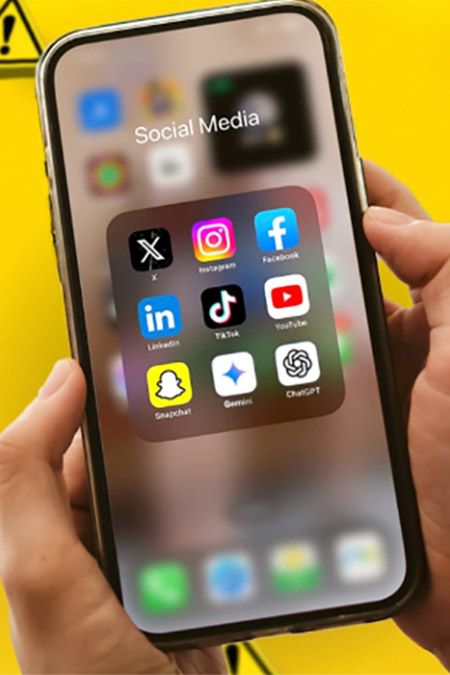
A Los Angeles jury has handed down an unprecedented win for a young woman who sued Meta and YouTube over her childhood addiction to social media. Jurors found that Meta, which owns Instagram, Facebook and WhatsApp, and Google, owner of YouTube, intentionally built addictive social media platforms that harmed the 20-year old's mental health.
Read MoreWe greatly appreciate your feedback on this website and would like to know what information you found useful and what services you would like to see next. Please take a couple of minutes to let us know.
survey


